From one of the highest puma densities documented anywhere on Earth to the endangered huemul deer, this is the wildlife that defines Chile’s most beloved national park.
Guanaco
The guanaco (Lama guanicoe) is Patagonia’s most common wild camelid and, without question, the most visible animal in Torres del Paine. A distant cousin of the camel, the species arrived in South America millions of years ago and anchors the entire food chain of the park. It’s the puma’s primary prey, a key food source for the Andean condor, and a major influence on vegetation patterns through grazing.
Puma
The puma (Puma concolor) is the second-largest cat in the Americas after the jaguar, and Torres del Paine is the world’s premier destinations for puma tracking. The reason is straightforward and biological: an abundance of guanaco prey, terrain with enough cover for ambush, and decades of protection that have allowed the population to recover.
Huemul
Of all the animals in the park, the huemul (Hippocamelus bisulcus) is probably the most symbolic — and, at the same time, the hardest to encounter. Today, fewer than 1,500 individuals remain in the wild — a decline of more than 99% in less than two centuries. Spotting a huemul in Torres del Paine is exceptional.
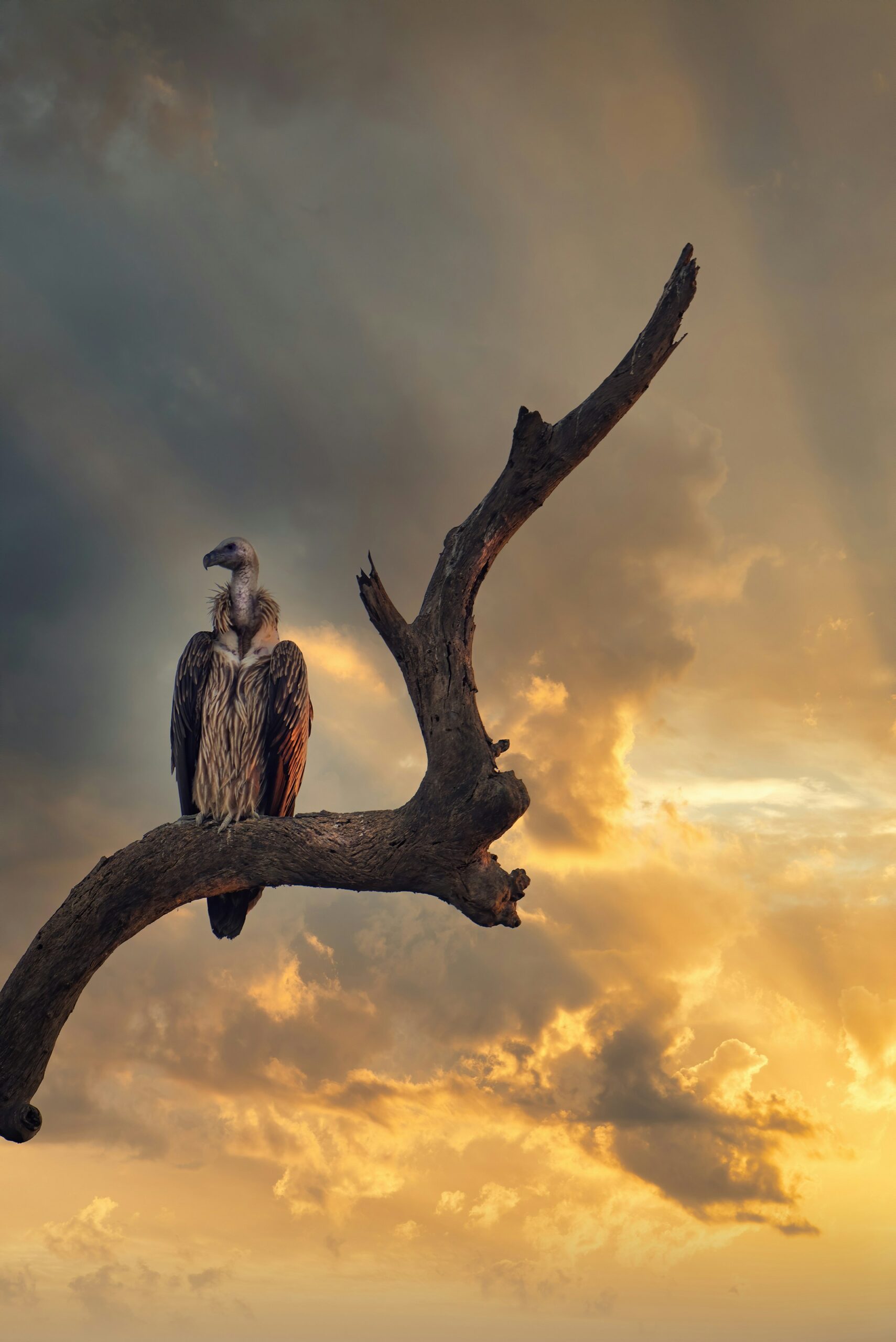
Andean Condor
The Andean condor (Vultur gryphus) is the planet’s largest flying bird on the planet. Its biology is remarkable in nearly every detail. Andean condors can live 70 to 80 years in the wild; they mate for life and remain together at the same nesting site for decades.